
The allure of risk and reward
The fundamental attraction of gambling lies in the thrill of risk and the potential for substantial rewards. This interplay between risk and reward activates the brain’s reward system, releasing neurotransmitters like dopamine when one wins. This dopamine rush creates an exhilarating feeling that many find addictive. The chance of hitting a jackpot or winning a big hand in poker ignites the imagination, drawing individuals into the gaming environment where they can momentarily escape their daily routines and responsibilities. For those interested in exploring options like australian online casino , the excitement is not just about the money but also the anticipation and the dream of striking it rich.
Moreover, the psychology behind taking risks can be traced back to various psychological theories, including those of loss aversion and risk tolerance. Loss aversion suggests that people are more motivated to avoid losses than to acquire gains, making the prospect of winning feel even more rewarding when one makes a risky bet. This sense of excitement, combined with the potential for financial gain, can often lead individuals to gamble more than they intended. The emotional rollercoaster created by gambling often compels individuals to chase their losses, further entrenching them in the cycle of play.
Casinos exploit these psychological tendencies through their design and ambiance, enhancing the thrill of gambling. Elements like bright lights, loud sounds, and the presence of other players celebrating their wins create an inviting atmosphere. This sensory overload not only keeps players engaged but also amplifies the emotional highs and lows associated with gambling. Such an environment makes it difficult for players to walk away, as the immersive experience reinforces their desire to return for more chances to win. The combination of visual and auditory stimuli creates a unique experience that can be hard to resist.
The social dynamics of gambling
The social aspect of gambling cannot be overlooked, as many individuals enjoy the camaraderie found in casino environments. Sharing a table with friends or even strangers can enhance the overall experience, turning a solitary activity into a communal event. This social interaction often leads to laughter, storytelling, and shared excitement, contributing to an atmosphere that many find appealing. The feeling of belonging in a social setting can be a powerful motivating factor that encourages individuals to continue playing. The connections formed in these settings can transform the gambling experience into a social bonding activity.
Moreover, the competitive nature of gambling adds another layer of excitement. Players may find themselves drawn to the competitive elements of games like poker or blackjack, where skill and strategy come into play. The opportunity to outsmart opponents and achieve recognition or respect within a gaming community fuels their desire to engage more deeply. This competitive drive can lead to increased gambling time, as individuals seek to improve their skills and prove themselves to others. The thrill of competition often overshadows the risks involved, making the social dynamics even more enticing.

In addition, social media has transformed how people perceive gambling, creating communities where players can share experiences, strategies, and outcomes. This connection can foster a sense of identity and belonging, making individuals more inclined to participate in gambling activities. The shared narratives of triumph and defeat not only validate personal experiences but also create a collective understanding of what it means to gamble, further reinforcing the attraction to casinos. The ability to share wins and losses online enhances the social aspect, creating a virtual community that mirrors the physical experience.
Psychological pitfalls of gambling
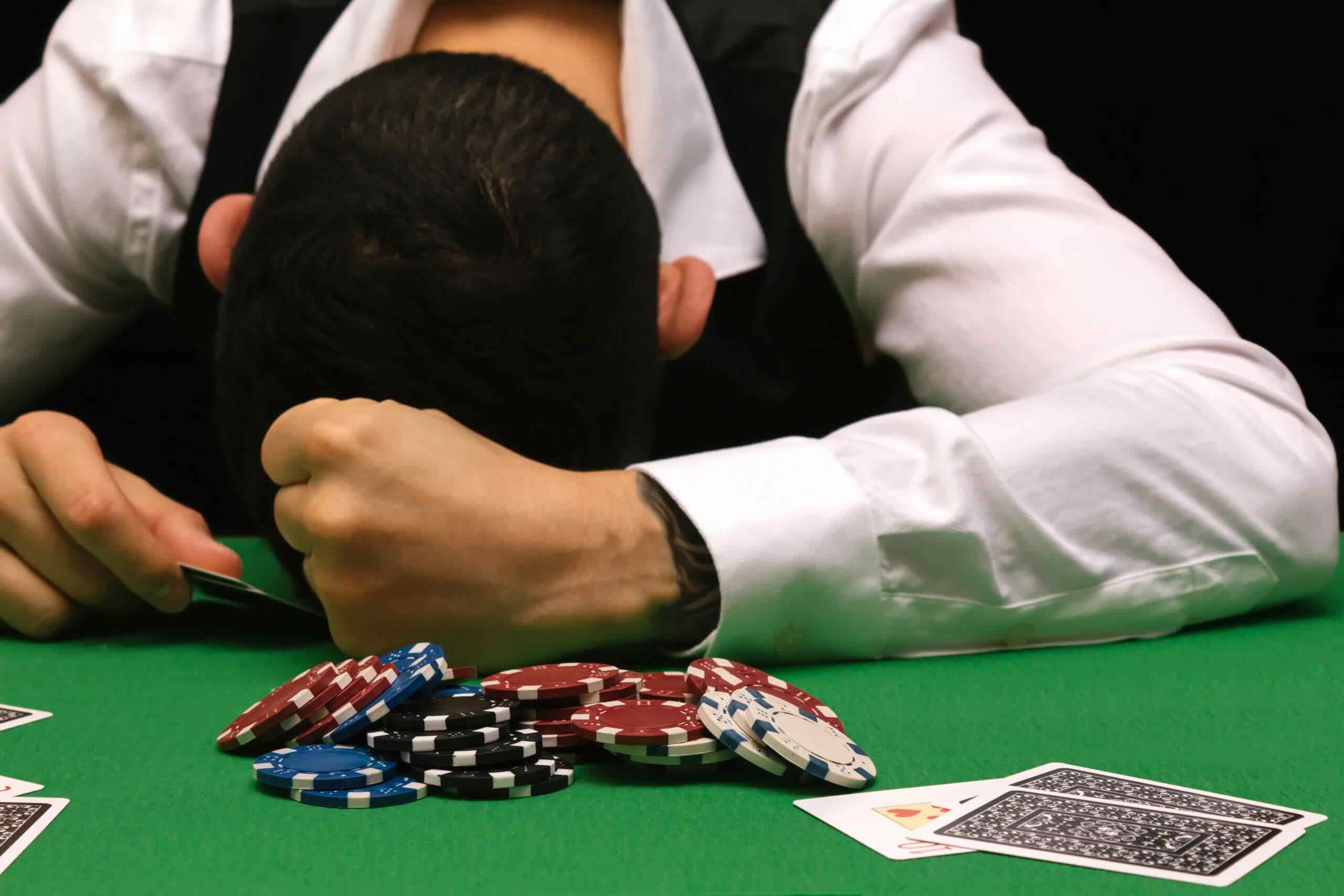
Despite the excitement and social connections associated with gambling, there are significant psychological pitfalls that players may encounter. The illusion of control is a key factor, where players believe they can influence the outcome of games purely based on skill or strategy, despite the inherent randomness involved in gambling. This misconception can lead to overconfidence, prompting individuals to make larger bets than they should, often with detrimental financial consequences. The belief that one’s skills can overcome the odds can trap players in a dangerous cycle of gambling.
Additionally, cognitive biases like the gambler’s fallacy can impact decision-making. This fallacy is the belief that past events have an effect on future outcomes, such as thinking that a slot machine is “due” for a win based on a streak of losses. Such distortions can prompt players to gamble longer and invest more money, driven by the belief that luck will eventually turn in their favor. This willful ignorance of probability can perpetuate a cycle of gambling that is difficult to break. Understanding these biases is essential for recognizing unhealthy gambling behaviors.
Understanding these psychological traps is crucial for responsible gambling. Players must recognize the signs of problematic behavior, such as chasing losses or gambling more than they can afford. Awareness can empower individuals to set limits and seek help if necessary, ensuring that the thrill of gambling remains a fun and enjoyable pastime rather than a destructive habit. By educating themselves about the psychology of gambling, players can better navigate their experiences and make informed decisions about their behavior.
The role of marketing and casino design
Marketing strategies employed by casinos are intricately designed to attract players and keep them engaged. The use of enticing promotions, loyalty programs, and bonuses can create a sense of urgency and excitement around gambling. These marketing tactics play into the psychological aspects of the human experience, encouraging individuals to participate more frequently and for longer periods. The feeling of being rewarded for loyalty can also lead to a form of addiction, where players feel compelled to return to earn more rewards. The clever use of marketing can significantly influence player behavior and decisions.
Additionally, the physical layout of casinos is deliberately crafted to enhance the gambling experience. The absence of clocks, the use of vibrant colors, and the strategic placement of games all serve to create a captivating environment. By designing spaces that stimulate the senses and optimize player flow, casinos can encourage longer stays and increased spending. This environment also minimizes distractions from the outside world, allowing players to become engrossed in their gambling experience. The design of these spaces is a crucial element in maintaining player interest and prolonging engagement.
Casinos also utilize the concept of “near misses” as a psychological tactic. Many games are structured in a way that players often feel they came close to winning, which can be thrilling and encourage them to keep playing. This strategic manipulation of emotions can create a sense of hope, motivating players to return despite previous losses in pursuit of that elusive win. Thus, the intersection of marketing, design, and psychology creates a powerful allure that keeps individuals drawn to casino environments. The clever integration of these elements sustains the excitement and draws players back for more.
Responsible gambling and awareness
As the psychological factors behind gambling can lead to potential pitfalls, it is essential to promote responsible gambling practices. Education about the risks and psychological effects of gambling can empower individuals to make informed decisions. This involves understanding one’s limits, recognizing the signs of problem gambling, and knowing when to seek help. Various organizations and initiatives aim to raise awareness about responsible gambling, providing resources and support for those who may be struggling. Knowledge is a powerful tool in protecting oneself from the risks associated with gambling.
Creating a culture of awareness around gambling can also encourage open conversations about the potential dangers associated with excessive play. By fostering an environment where players feel comfortable discussing their experiences, individuals can help one another navigate the complexities of gambling psychology. This collective understanding can be a significant step toward mitigating the risks while still enjoying the entertainment that gambling can offer. Open lines of communication can empower individuals to share their challenges and seek help when needed.
The availability of self-exclusion programs and support networks further enhances responsible gambling efforts. Many casinos provide resources for individuals who wish to limit their gambling activities or seek professional help. Such initiatives can be pivotal in helping players regain control over their gambling habits, ensuring that the experience remains enjoyable rather than detrimental. By understanding the psychology behind gambling and promoting responsible practices, players can strike a healthy balance in their gaming activities. This balance is essential for ensuring that gambling remains a source of entertainment and not a source of stress or anxiety.
Recent Comments